Guide to Image Recognition in CPG: Fact vs. Fiction & Shelf Intelligence ROI
Debunk myths around Computer Vision Systems in CPG. Discover how Image Recognition audits retail shelves in seconds, driving Share of Shelf & sales lift.


We are wasting over 40% of our field sales force's working hours by turning them into expensive, inaccurate manual data entry clerks. Every day, our field reps walk into retail stores with clipboards or survey forms, spending 30 to 45 minutes manually counting product facings, checking planograms, and writing out-of-stock reports. Extensive retail audit research from NIQ (NielsenIQ) exposes the fatal flaw in this practice: manual store audits miss over 35% of compliance gaps and stockouts due to fatigue, subjective bias, and audit rush.
We are making strategic supply chain, trade marketing, and joint business planning decisions based on incomplete visual guesswork. The technology to eliminate manual auditing exists today through Computer Vision and Image Recognition (IR). Yet executive hesitation lingers due to persistent myths about hardware costs, lighting limitations, and friction in rep adoption. If we want true shelf intelligence and want to liberate our sales force for high-value commercial selling, we must separate computer vision fact from legacy fiction.
The True Cost of Visual Blindness in Retail Execution
Physical retail is where our brand market share is won or lost. Yet, we maintain shockingly low visual visibility into what actually happens across tens of thousands of store shelves.
Visual blindness at the store shelf distorts our entire supply chain. When our field reps miss stockouts during manual audits, corporate planning systems assume products are selling normally, leading to miscalculated production schedules and severe stockout ripples across our distribution network.
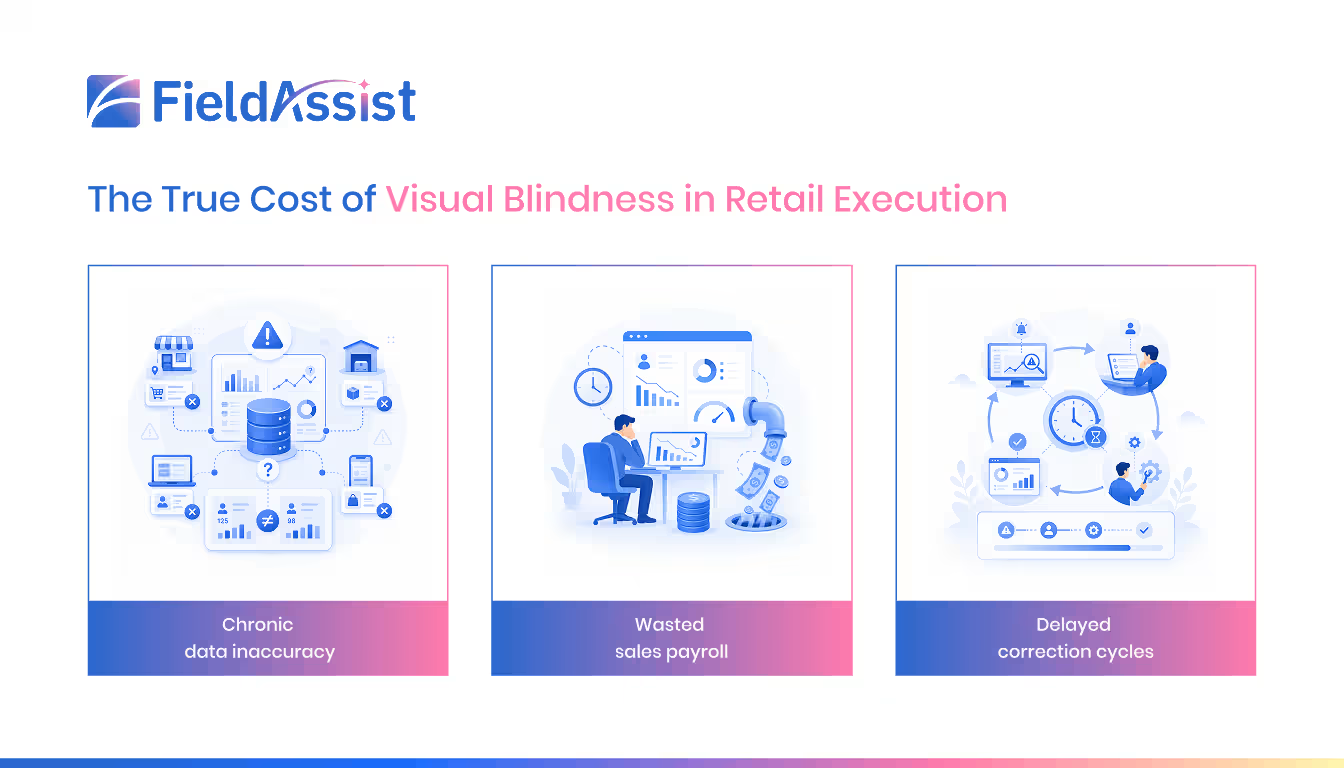
Our reliance on manual auditing creates three critical blind spots:
- Chronic data inaccuracy. Field reps under pressure to complete 20 store visits a day routinely estimate facing counts, corrupting our corporate decision feeds.
- Wasted sales payroll. Paying skilled sales reps to manually count shelf facings reduces the time they spend negotiating orders, building relationships, and expanding product range.
- Delayed correction cycles. Discovering an out-of-stock condition weeks after a manual audit report is filed results in permanent lost sales volume.
When we operate without empirical shelf data, competitor encroachment goes unnoticed, and our marketing investments are wasted. We must replace manual spot-checks with automated computer vision platforms that convert shelf photos into real-time visual intelligence.
Debunking the 7 Executive Myths of Image Recognition Systems
Misconceptions about Image Recognition continue to hold executive teams back. Modern edge-AI vision platforms like FieldAssist Retail Image Recognition Software debunk these common myths:
Myth 1: 'IR requires expensive camera hardware.'
Fact: Deep learning models run on standard enterprise smartphones already carried by our field teams.
Myth 2: 'IR fails in poorly lit or crowded stores.'
Fact: Advanced visual neural networks automatically adjust for glare, low lighting, camera angles, and packaging distortion.
Myth 3: 'Image stitching in narrow store aisles is inaccurate.'
Fact: Edge-AI stitching algorithms merge overlapping photos with sub-millimeter precision, capturing wide panoramic shelf layouts.
Myth 4: 'Training new SKU packs takes months.'
Fact: Modern zero-shot synthetic training engines register new SKU packaging variations in under 48 hours.
Myth 5: 'Field reps resist taking shelf photos.'
Fact: Reps embrace IR because it eliminates tedious survey entry, cutting audit times from 45 minutes to under 3 minutes.
Myth 6: 'IR is only viable in large hypermarkets.'
Fact: Deploying IR across dense traditional trade kirana networks yields massive aggregate sales lift by uncovering distribution gaps instantly.
Myth 7: 'IR provides passive post-visit reporting.'
Fact: Instant on-device processing generates real-time, actionable task lists for the rep while standing inside the store.
Furthermore, modern visual deep learning models process shelf images locally on standard smartphones using edge AI. This means our reps get sub-second recognition feedback even in underground hypermarket basements or remote stores with zero cell reception, guaranteeing zero operational downtime.
Transforming Sales Productivity and Commercial Velocity
Computer vision transforms our sales reps from passive auditors into proactive commercial advisors.
When reps capture store shelf photos via Sales Force Automation, they receive audit results on screen within seconds. The system highlights out-of-stock SKUs, unauthorized competitor facings, and missing price tags immediately using Perfect Store Execution.
Slashing store audit times from 45 minutes to under 3 minutes gives our field reps back over 40% of their working day. We redirect those freed hours toward presenting data-backed reorder recommendations and securing prime display real estate, driving an immediate 15% lift in primary order value.
Reps redirect 40+ minutes of saved audit time toward negotiating extra display space, presenting data-backed reorder suggestions, and expanding product distribution using live order feeds linked to Online Distributor Management System.
Evaluating Execution Platforms: The CXO Decision Matrix
As we evaluate retail execution technologies, we must compare audit precision, labor impact, insight velocity, and payback timelines. The decision matrix below outlines our options.
Our comparative evaluation shows that manual audits achieve only 60% to 65% accuracy due to human audit fatigue. Deploying automated computer vision elevates SKU audit precision to over 96%, converting raw store photos into real-time operational feedback.
Our Financial Case and Implementation Roadmap
Deploying enterprise Image Recognition delivers direct financial return across our P&L:
- Top-Line Revenue Lift: Real-time out-of-stock detection and Share of Shelf correction generate a proven 2% to 5% increase in category sales volume.
- Field Labor Efficiency: Slashing audit times by 80%+ liberates thousands of sales hours annually, driving higher primary order volume per rep.
- S&OP Supply Chain Alignment: Connecting shelf visibility directly to inventory forecasting via FieldAssist AI Sales Intelligence prevents phantom inventory stockouts.
Deploying Retail Image Recognition Software across our sales force provides complete visual visibility into every retail aisle, delivering full capital payback within 4 to 6 months.
FAQ
Q: How accurate is computer vision Image Recognition (IR) compared to human store auditors?
A: Modern IR platforms achieve >96% SKU recognition accuracy compared to human audit accuracy which averages 65-75%.
Q: How long does it take field reps to scan a standard retail shelf using an IR app?
A: Reps capture a shelf in under 2 minutes using standard smartphones, instantly generating actionable tasks.
Q: Does Image Recognition work in low-light, crowded, or fragmented store environments?
A: Yes, advanced deep learning models compensate for lighting, angles, glare, and product distortion automatically.
Q: How does IR shelf data impact CPG market share?
A: Real-time visibility into Share of Shelf (SoS) and out-of-stock correction generates a proven 2-5% top-line sales lift.
Q: What hardware is required to deploy IR across field sales teams?
A: Existing enterprise iOS or Android smartphones—no expensive dedicated hardware required.
Q: How does IR help eliminate out-of-stock (OOS) conditions during key promotions?
A: Instant out-of-stock alerts notify store managers and rep distributors immediately to restock backroom inventory.
Q: What is the typical onboarding timeline for deploying IR across 1,000+ field reps?
A: Initial SKU catalog training takes 2-4 weeks, with full field rep rollout completing within 60 days.




%20(1).avif)
.avif)